
Shipping containers are one of the most practical storage and transport solutions available across Australia. From farms and building sites to small businesses and home renovations, containers are used every day for secure storage, site offices and even workshop spaces. Choosing the right container is important because the wrong size or type can cost you time and money.
In regional areas like Bendigo and across Victoria, conditions can be tough. Heat, rain and dust all play a part in how well your container performs. That is why it is worth taking the time to understand your options before you buy or hire. At Grays Bendigo, we regularly help customers select containers that suit local conditions and practical requirements. The right container should suit your purpose, fit your site properly and offer long term value.
Let’s explore the key things to consider so you can make a confident and practical decision.
Decide What You Will Use It For
The first step is to be clear about how you plan to use the container. Are you looking for simple storage for tools and equipment? Do you need a secure space for stock? Or are you planning to convert it into a site office or workshop?
If it is for basic storage, a standard general-purpose container is often all you need. These are strong, weather resistant and ideal for keeping goods safe from theft and the elements. If you need regular access, you might consider a container with easy opening doors or even side access.
If you are planning a conversion, such as an office or lunchroom, you will likely need insulation, ventilation and electrical fit out. Being clear about the end use will help you avoid buying a container that does not meet your needs. It also makes it easier to get advice from a local supplier who understands Australian conditions.
Choose the Right Size
Container size is one of the most important decisions. In Australia, the most common sizes are 10-foot, 20 foot and 40-foot containers. A 20-foot container is the most popular option because it offers a good balance of space and affordability. It suits many residential and commercial applications.
A 10-foot container works well for smaller sites or tight access areas. It is ideal for home renovations or small businesses that do not need a large amount of storage. A 40-foot container provides maximum storage and is often used on larger construction sites or farms.
You should also consider high cube containers, which offer extra internal height. These are useful if you need to store tall equipment or stack goods. Before deciding, measure your available space carefully and think about how much room you will realistically need now and in the future.
Think About Container Type and Features
Not all containers are the same. A standard general purpose container is suitable for most storage needs, but there are other options depending on what you are storing. For example, refrigerated containers are designed to maintain a set temperature, which is important for food or temperature sensitive goods.
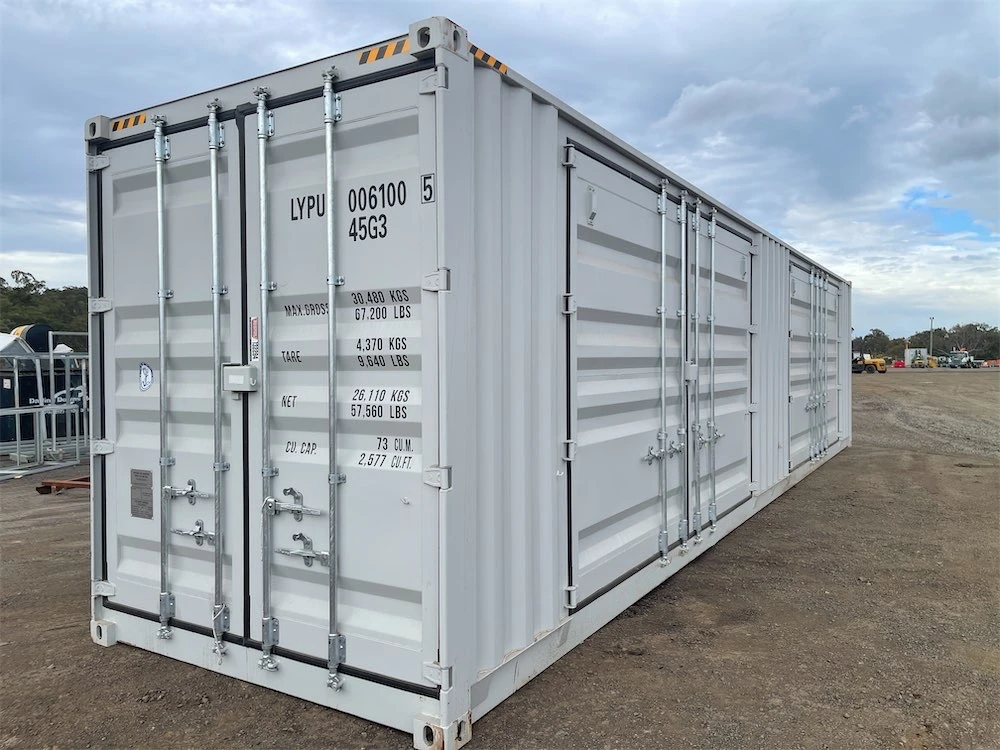
You may also consider containers with additional features such as side opening doors for easier access, or double door units for drive through use. Ventilation can be important if you are storing items that could create condensation inside the container.
For specialised projects, there are open top and flat rack containers, though these are usually more common in transport and heavy industry. The key is to match the container type to your specific requirements. A reliable supplier will talk you through these options and recommend what suits your situation best.
New or Used Containers
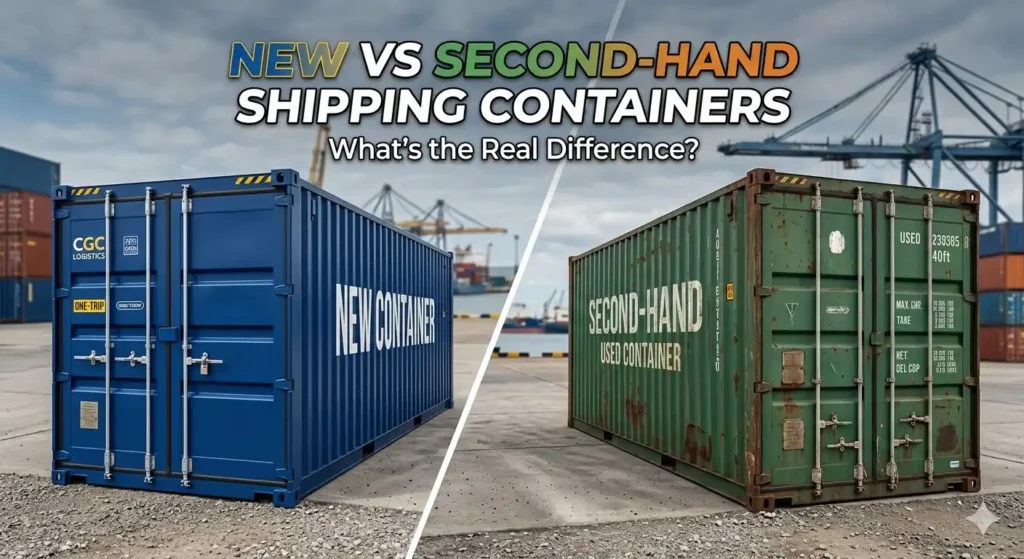
Another major decision is whether to buy a new or used container. New containers are often referred to as one trip containers. They have typically only been used once for shipping and are in excellent condition. They are a good choice if appearance and long-term durability is important.
Used containers are more affordable and still very strong. Many are wind and watertight, which makes them suitable for most storage applications. However, condition can vary depending on age and previous use, so it is important to inspect the container or buy from a trusted supplier.
For many Australian businesses and property owners, a quality used container offers excellent value. The right choice depends on your budget, how long you plan to use it and whether presentation matters for your site.
Customisation and Modifications
One of the biggest advantages of shipping containers is how easily they can be modified. A basic container can be transformed into a practical and comfortable workspace with the right upgrades. This is especially useful for construction sites, farms and growing businesses across Victoria.
Common modifications include adding extra doors or windows for easier access and natural light. Insulation and ventilation are also important, particularly in Australian conditions where summer heat can be extreme. Proper insulation helps regulate temperature and reduces condensation inside the container.
For site offices or workshops, electrical fit outs can include lighting, power points and switchboards. Shelving, internal lining and flooring can also be installed to create a more functional space. With the right planning, a simple steel container can become a secure office, lunchroom or workshop that meets Australian safety and comfort standards.
Site Access and Delivery Considerations
Before ordering a container, you need to think about delivery and placement. Containers are delivered by truck, so there must be enough space for the vehicle to access your property safely. Narrow driveways, low hanging branches or soft ground can create challenges.
The ground where the container will sit should be level and stable. Concrete pads, compacted gravel or solid sleepers are common base options. A level surface helps ensure the doors open and close properly and reduces long term stress on the structure.
It is also important to consider door orientation. Make sure there is enough space to fully open the doors once the container is in position. Planning ahead can prevent costly relocation or adjustments later. A local supplier with delivery experience in regional Victoria can help assess your site and provide practical advice.
Budget and Value
Price is always a factor, but it should not be the only consideration. The cheapest container may not be the best option if it does not suit your needs or requires repairs. Instead, think about long term value and reliability.
Consider the full cost, including delivery, any modifications and site preparation. If you need insulation, shelving or electrical work, factor this into your budget from the start. It can be more cost effective to organise these upgrades before delivery rather than later.
Investing in the right container from the beginning can save you time and money down the track. A strong, secure and well-suited container will serve you for years, whether it is used on a construction site, farm or commercial property.
Final Tips Before You Decide
Before you make your final decision, take a step back and double check the basics. Start by measuring your available space carefully. Make sure the container will fit comfortably on your property and allow enough room for delivery and door access. It is also important to measure what you plan to store so you do not underestimate the space you need.
Check that the container offers proper ventilation and weather protection. In Australian conditions, strong sun, rain and temperature changes can affect stored goods. A wind and watertight container with good airflow will help protect your equipment, stock or materials.
Finally, think about future needs. You may need more storage down the track or decide to convert the container into a workspace. Choosing a flexible option now can save you time and money later.
Conclusion
Choosing the right shipping container starts with understanding your needs, your site and your budget. When you plan carefully and get the right advice, you avoid costly mistakes and end up with a solution that works long term.
Whether it is for storage, transport or a customised workspace, the team at Grays Bendigo can provide practical guidance based on years of experience supplying containers across regional Victoria. With expert support and local knowledge, you can choose a container that delivers security, flexibility and long term value. Contact us today!