
Shipping containers are widely used across Australia for storage, transport and site solutions. From residential properties to farms and construction sites, containers offer a secure and flexible way to manage space. One of the most important decisions when choosing a container is selecting the right size.
The most common container sizes are 10ft, 20ft and 40ft. Each option suits different needs depending on available space, storage requirements and site conditions. Choosing the wrong size can lead to wasted space or limited functionality.
Across Bendigo and regional Victoria, businesses and property owners rely on practical advice to select the right container for their needs. At Gray’s Bendigo, we help customers choose container sizes that match their project, budget and site access. This guide explains the differences between 10ft, 20ft and 40ft containers so you can make a confident decision.
Why Container Size Matters
Choosing the right container size is about more than just how much you can fit inside. It affects delivery access, placement on site, ease of use and long-term value. A container that is too small may not meet your storage needs, while one that is too large may take up unnecessary space or create access issues.
In regional Victoria, site conditions can vary. Narrow driveways, uneven ground and limited space are common challenges. Selecting the right size ensures your container can be delivered and positioned safely without additional costs.
It is also important to think about how often you will access the container. If you need regular access to stored items, a well sized container will make organisation easier and more efficient. Taking the time to choose the correct size helps avoid future problems and ensures your container works effectively from day one.
10ft Shipping Containers
A 10ft shipping container is the smallest standard option and is ideal for compact spaces. It is commonly used for residential storage, small businesses and sites where access is limited. If you are working with a tight area, a 10ft container can provide secure storage without taking up too much room.
These containers are well suited for storing tools, equipment, garden supplies or small amounts of stock. They are also popular during home renovations when temporary storage is needed on site. Because of their size, they are easier to position in backyards or restricted areas.
However, storage capacity is limited compared to larger containers. If your needs grow over time, you may find a 10ft container becomes too small. It is important to plan ahead and consider whether your storage requirements may increase. For short term or light use, a 10ft container is a practical and efficient choice.
20ft Shipping Containers
The 20ft container is the most popular size across Australia. It offers a strong balance between storage capacity and practicality, making it suitable for a wide range of applications. Many businesses, builders and property owners choose this size because it meets most storage needs without taking up excessive space.
A 20ft container provides enough room to store furniture, equipment, tools or commercial stock. It is also commonly used on construction sites for secure storage or converted into site offices and workshops. The size allows for better organisation and easier access compared to smaller containers.
In terms of delivery and placement, a 20ft container is still manageable for most properties across Bendigo and regional Victoria. It offers flexibility without the challenges that can come with larger units. For most customers, this size provides the best overall value and functionality.
40ft Shipping Containers
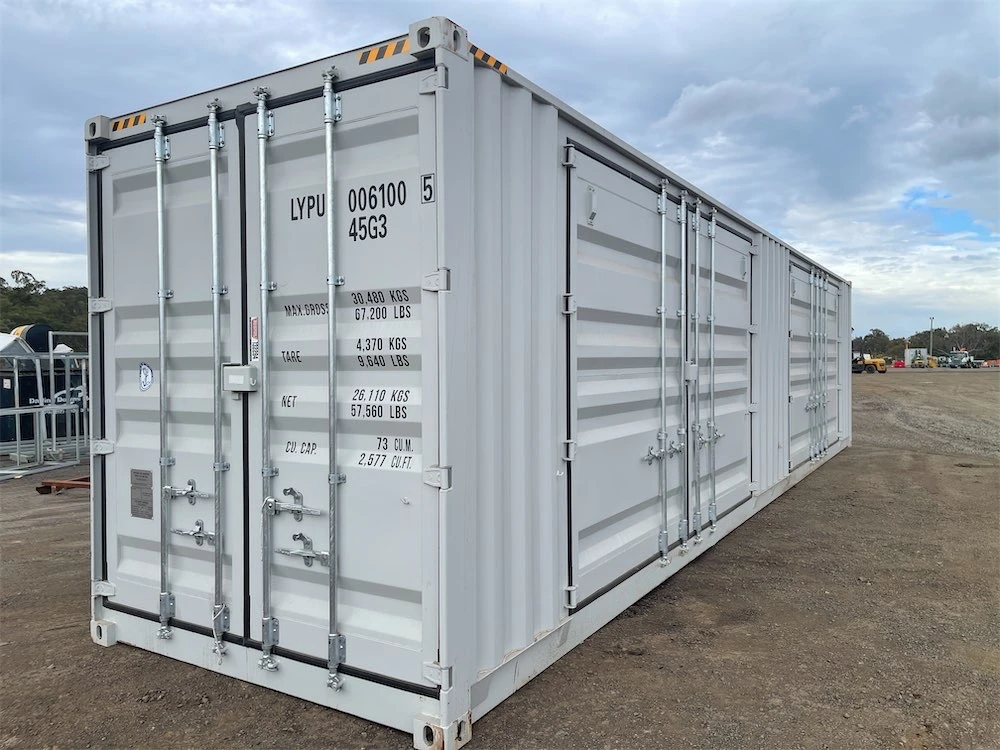
A 40ft container is the largest standard option and is designed for maximum storage capacity. It is commonly used on large construction sites, farms and commercial properties where significant storage space is required.
These containers are ideal for storing bulk goods, large equipment or high volumes of stock. They are also useful for businesses that need to manage inventory on site. With more internal space, a 40ft container allows for better organisation and the ability to store items over a longer period.
However, size can create challenges. A 40ft container requires more space for delivery and placement, and not all sites can accommodate it easily. Access, ground conditions and positioning must be carefully planned. If space allows, this size offers excellent storage capacity, but it is important to ensure your site can handle it before planning.
High Cube Containers and Height Considerations
In addition to length, height is another important factor. High cube containers are available in 20ft and 40ft sizes and offer extra internal height compared to standard containers. This additional space can make a big difference depending on what you are storing.
High cube containers are useful for storing tall equipment, stacking goods or creating more comfortable internal space for conversions. They are often used for site offices, workshops and customised container solutions where extra headroom improves usability.
For customers planning modifications or long-term use, a high cube container can provide added flexibility. However, the increased height may affect delivery in areas with overhead restrictions such as trees or structures. It is important to assess your site carefully and ensure there are no access limitations before choosing this option.
How to Choose the Right Size for Your Needs
Selecting the right container size comes down to understanding your specific requirements. Start by considering what you plan to store and how much space you need. Make a realistic estimate rather than choosing the smallest option to save cost.
Think about your site conditions and available space. Measure the area where the container will be placed and ensure there is enough room for delivery and access. Consider how often you will need to open the container and move items in and out.
It is also important to think about future needs. If your storage requirements may grow, choosing a slightly larger container can save you from needing an upgrade later. Speaking with an experienced supplier can help you assess your situation and choose a size that offers both practicality and long-term value.
Site Access and Delivery Considerations
Before selecting a container size, it is important to understand delivery requirements. Larger containers require more space for transport and positioning. Driveway width, turning space and ground conditions all play a role in whether delivery can be completed safely.
The surface where the container will be placed should be level and stable. Concrete pads, compacted gravel or sleepers are commonly used to support containers. A solid base helps maintain structural integrity and ensures doors function properly.
It is also important to plan door orientation and access. Make sure there is enough space to open the doors fully and use the container efficiently. Working with a local supplier ensures you receive practical advice based on real experience delivering containers across Bendigo and regional Victoria.
Conclusion
Understanding the differences between 10ft, 20ft and 40ft shipping containers helps you choose the right solution for your needs. Each size offers unique benefits, and the best option depends on your space, usage and future plans.
Whether you need a compact storage solution or a large container for commercial use, making the right choice from the start saves time and money. The team at Grays Bendigo can provide expert guidance to help you select the right size for your project. With local knowledge and practical experience, you can invest in a container that delivers reliable performance and long term value. Contact us today.