
Shipping containers are a practical solution for storage, transport and site use across Australia. From farms around regional Victoria to construction projects in Bendigo, containers offer strength, security and flexibility. One of the most common questions buyers ask is whether to choose a new container or a second-hand one. At first glance they can look similar, but there are important differences in price, condition, lifespan and appearance.
Understanding these differences helps you make a smart investment. The right choice depends on how you plan to use the container, how long you need it and what your budget allows. In this guide, we break down the real differences between new and second-hand shipping containers so you can decide with confidence.
What Is a New Shipping Container?
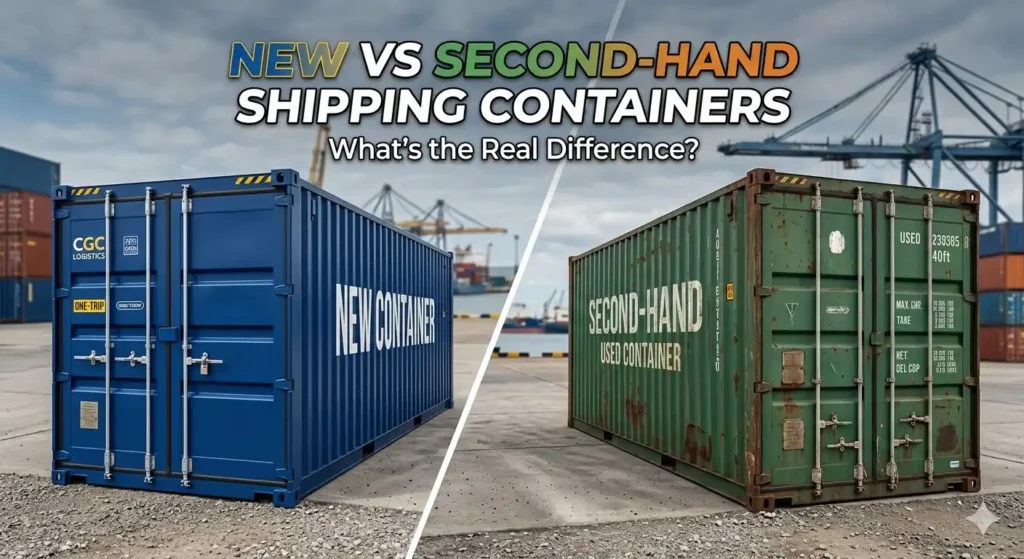
A new shipping container is often referred to as a one trip container. This means it has typically been used once to transport cargo from the country of manufacture to Australia. After that single journey, it is sold as new.
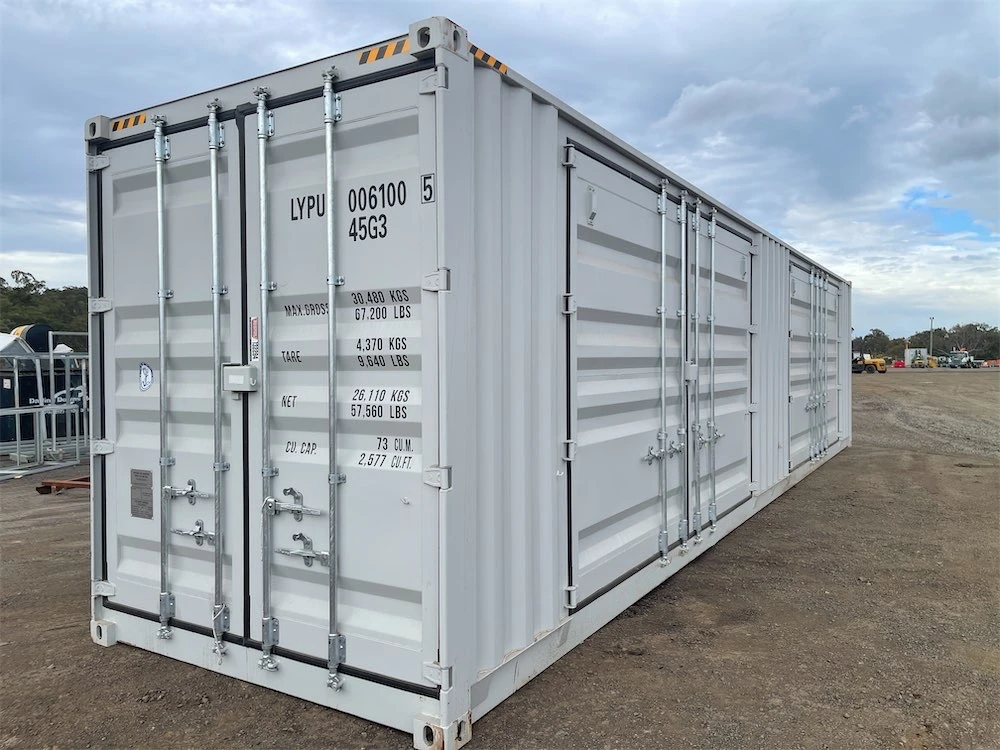
Because it has had minimal use, a new container is usually in excellent condition. The steel structure is straight, the flooring is clean and the doors seal tightly. There are no major dents, rust patches or signs of heavy wear. Paintwork is also fresh, which gives the container a clean and professional appearance.
New containers are ideal for customers who want long term durability and a tidy look. They are often chosen for commercial premises, schools, community spaces and high visibility sites. While the upfront cost is higher than a second-hand unit, many buyers see value in the extended lifespan and reduced maintenance needs.
What Is a Second-Hand Shipping Container?
A second-hand shipping container has been used for multiple shipping trips over several years. These containers have travelled across oceans and handled a wide range of cargo. As a result, they usually show signs of wear such as dents, surface rust and scuffed paint.
Despite cosmetic imperfections, most second-hand containers remain structurally strong. Many are graded as wind and watertight, which means they keep out rain and wind effectively. For basic storage, this is often more than sufficient.
Second-hand containers are popular with farmers, builders and small businesses looking for a cost effective storage solution. They offer solid performance at a lower price point. The key is to purchase from a reputable supplier who inspects and grades containers properly, ensuring you receive a unit that suits your needs.
The Difference in Price
Price is one of the biggest deciding factors. New containers cost more because they are in near perfect condition and have a longer remaining lifespan. You are paying for durability, presentation and minimal wear.
Second-hand containers are more affordable. The lower cost reflects their age and cosmetic wear. For many buyers, especially those using containers for secure storage on private property or construction sites, appearance is not a priority. In these cases, choosing a second-hand container can free up budget for other expenses.
It is important to think beyond the initial purchase price. Consider how long you plan to use the container and whether future maintenance could add costs. Sometimes paying more upfront for a new container may reduce repairs and repainting later. A balanced view of short term savings and long term value will help guide your decision.
Condition and Lifespan
A new container can last decades with proper care. Because it has only completed one trip, the structural steel and flooring are in near original condition. This makes it a strong choice for long term installations or conversions into offices and workshops.
Second-hand containers also have many years of service left, but their remaining lifespan depends on previous use and maintenance. Surface rust and dents are common, though these do not always affect structural integrity. However, older containers may require more attention over time, especially if placed in harsh Australian conditions.
If you are planning to modify the container, starting with a newer unit can sometimes make the process easier. For basic storage, a well maintained second-hand container can still provide reliable service for many years.
Appearance and Presentation
Appearance can matter depending on where the container will be placed. A new container offers a clean, uniform look. This can be important for commercial premises, retail spaces or sites where presentation reflects your brand.
Second-hand containers often have visible dents, faded paint and shipping line markings. While these signs of use do not affect function, they can impact how the container looks on site. Some customers choose to repaint or refurbish older units to improve appearance.
If the container will be located behind a workshop, on a farm or on a temporary construction site, presentation may not be a concern. In those cases, a second-hand container provides practical storage without the higher cost of a new unit.
Suitability for Modifications
Both new and second-hand containers can be modified, but condition plays a role. If you are adding windows, doors, insulation or electrical fit outs, a straighter and cleaner structure can make the process smoother. New containers provide a solid base for conversions into site offices, lunchrooms or workshops.
Second-hand containers can also be modified successfully, especially if they are structurally sound. However, additional preparation work may be required to address rust or dents before starting the fit out.
For customers planning detailed custom builds, investing in a newer container may reduce labour and preparation time. For simpler modifications or storage upgrades, a good quality second-hand unit can still deliver excellent results.
Maintenance and Repairs
Maintenance requirements differ between new and second-hand containers. A new container will generally require minimal maintenance in its early years. Regular checks for rust and keeping the exterior clean are usually enough to maintain its condition.
Second-hand containers may need more attention. Surface rust should be treated promptly to prevent further corrosion. Door seals and hinges should also be checked regularly, especially if the container has seen heavy use.
Australian weather can be tough, particularly in regional areas where heat and storms are common. Choosing the right location and ensuring proper drainage around the container will help extend its life, regardless of whether it is new or second-hand.
Which Option Is Right for You?
The right choice depends on your purpose, budget and expectations. If you want a container with a long lifespan, clean appearance and minimal wear, a new unit is likely the better option. It suits high visibility locations and long term installations.
If your priority is affordable, secure storage and appearance is less important, a second-hand container may be ideal. Many businesses across Victoria use second-hand units successfully for tools, equipment and stock storage.
Before deciding, consider how long you plan to use the container, whether you intend to modify it and how important presentation is for your site. Speaking with an experienced supplier can help you weigh up the pros and cons based on your specific needs.
Conclusion
Both new and second-hand shipping containers offer strong and secure storage solutions. The real difference comes down to condition, price, lifespan and appearance. By understanding how each option performs, you can choose a container that suits your project and budget.
If you are unsure which option is right for you, the team at Grays Bendigo can provide practical advice based on years of experience supplying containers across regional Victoria. With the right guidance, you can invest in a solution that delivers reliable performance for years to come.